Tracing RNG Certification Standards to Deposit-Free Reward Access Across Handheld Gaming Networks
Rafael Jung · Oct 18, 2026
Tracing RNG Certification Standards to Deposit-Free Reward Access Across Handheld Gaming Networks
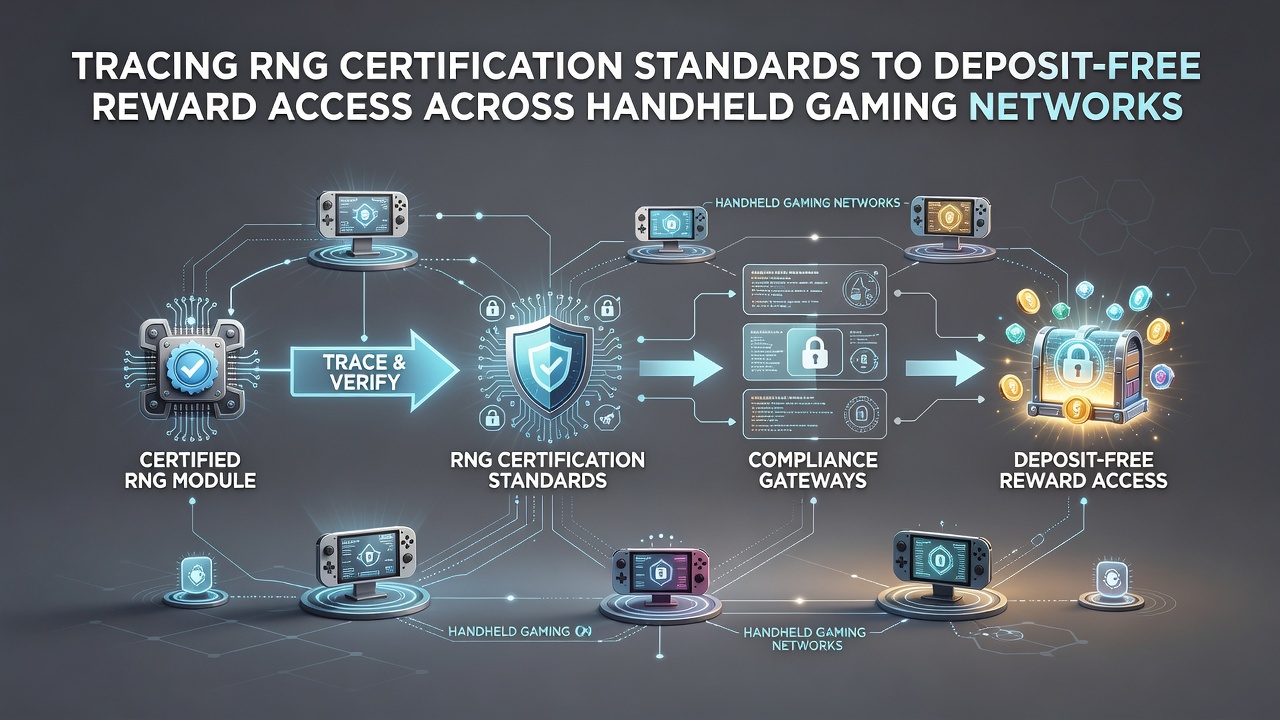
Random number generator certification forms the backbone of fair play verification in digital gaming environments, and this process directly shapes how players gain entry to deposit-free rewards on handheld devices. Standards established by independent testing laboratories require RNG outputs to demonstrate statistical randomness across millions of simulated spins or card draws before any operator can integrate those systems into mobile applications. Once certified, these RNG modules support eligibility checks that unlock no-deposit bonuses without requiring initial funding, because regulators and platforms treat verified randomness as proof that outcomes remain unbiased.
Data from multiple jurisdictions shows that certification cycles typically run between six and twelve months, during which labs such as Gaming Laboratories International examine source code, hardware entropy sources, and live return-to-player percentages. Handheld gaming networks add another layer because device-specific variables like battery state, operating system version, and network latency must not interfere with the certified RNG sequence. Observers note that platforms synchronizing these elements report higher rates of successful reward redemptions compared with systems that skip rigorous mobile-environment testing.
Certification Pathways and Mobile Integration
Certification begins when developers submit RNG algorithms to accredited labs, where engineers run battery tests that include diehard, chi-square, and serial correlation analyses. Passing these benchmarks allows the RNG to receive a formal report that operators then present to licensing authorities. In handheld networks the same certified RNG must operate identically across iOS and Android builds, which means additional validation covers touch-screen input handling and background process interruptions. Those who've studied certification timelines point out that labs often require re-testing after any operating system update, because even minor changes in random seed generation can shift outcome distributions.
Deposit-free reward access hinges on this verified fairness, since platforms use the certified RNG to calculate bonus eligibility and wagering contributions in real time. When a player claims a no-deposit spin package, the system references the RNG report to confirm each outcome meets the pre-approved statistical model. Research indicates that networks maintaining continuous certification monitoring experience fewer disputes over bonus validity, because audit trails link every reward directly back to the original lab-approved sequence.
Regulatory Frameworks Across Regions
Regulatory bodies in different regions apply distinct yet overlapping requirements for RNG certification before operators may distribute deposit-free rewards. The Alcohol and Gaming Commission of Ontario, for example, mandates that all mobile RNG submissions include entropy source documentation and post-certification change-control procedures. Similar rules appear in Australian state frameworks, where handheld gaming providers must demonstrate that RNG performance remains stable under variable 4G and 5G conditions. These frameworks converge on one core principle: only certified generators may feed the algorithms that determine whether a player qualifies for a no-deposit reward.
October 2026 marks the scheduled rollout of updated testing protocols from several international labs, focusing on quantum-resistant random number methods and enhanced mobile telemetry logging. Platforms preparing for these changes have already begun mapping their current RNG certificates to the forthcoming requirements, ensuring that deposit-free reward mechanics stay uninterrupted once the new standards take effect.
Technical Linkages Between RNG Reports and Reward Systems
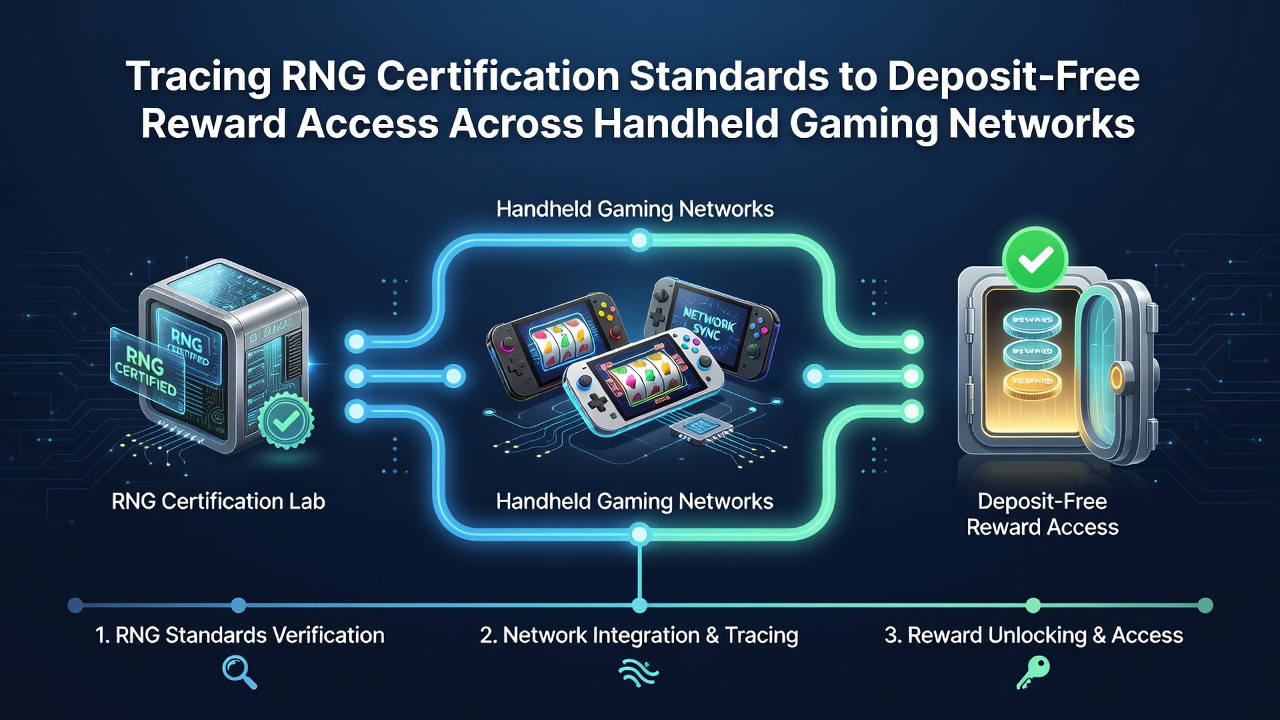
Technical integration occurs through API endpoints that reference the unique certificate identifier embedded in each RNG module. When a handheld application requests a no-deposit spin, the backend first checks whether the active RNG certificate remains valid, then generates the outcome using only the approved algorithm. Any mismatch triggers an automatic hold on reward issuance until re-certification or manual review occurs. Studies conducted by independent research groups reveal that this automated gatekeeping reduces instances of invalid bonus claims by measurable percentages across large player cohorts.
Handheld networks also track device fingerprinting data alongside RNG outputs, creating an audit trail that regulators can examine during compliance reviews. This linkage ensures that deposit-free rewards remain tied to certified randomness even when players switch between tablets and smartphones mid-session. Experts observe that operators who embed certificate status checks directly into their reward engines maintain smoother compliance records than those relying on periodic manual audits.
Future Developments and Network Adaptations
Emerging standards emphasize real-time RNG health monitoring within live mobile sessions, allowing platforms to detect any deviation from certified parameters before a reward is issued. These advancements support expanded deposit-free reward offerings because regulators gain continuous visibility into system integrity. Cross-device gaming networks benefit further when certification covers both native apps and browser-based play, removing friction that previously limited reward access on certain handsets.
Industry reports from organizations tracking global gaming technology show steady growth in the number of certified RNG instances deployed specifically for mobile bonus mechanics. This expansion aligns with regulatory pushes for transparent reward distribution and sets the stage for broader adoption of no-deposit features once the October 2026 protocol updates finalize.
Conclusion
The pathway from RNG certification to deposit-free reward access on handheld networks rests on documented statistical verification, regulatory oversight, and continuous technical integration. As standards evolve toward the 2026 updates, platforms that maintain active certification linkages position themselves to deliver consistent, auditable reward experiences across mobile environments. Data from multiple regions confirms that certified randomness underpins both player trust and regulatory approval for these reward mechanisms.