Synchronizing Transaction Systems With Reward Mechanisms in Portable Casino Applications
Elena Koch · Sep 20, 2026
Synchronizing Transaction Systems With Reward Mechanisms in Portable Casino Applications
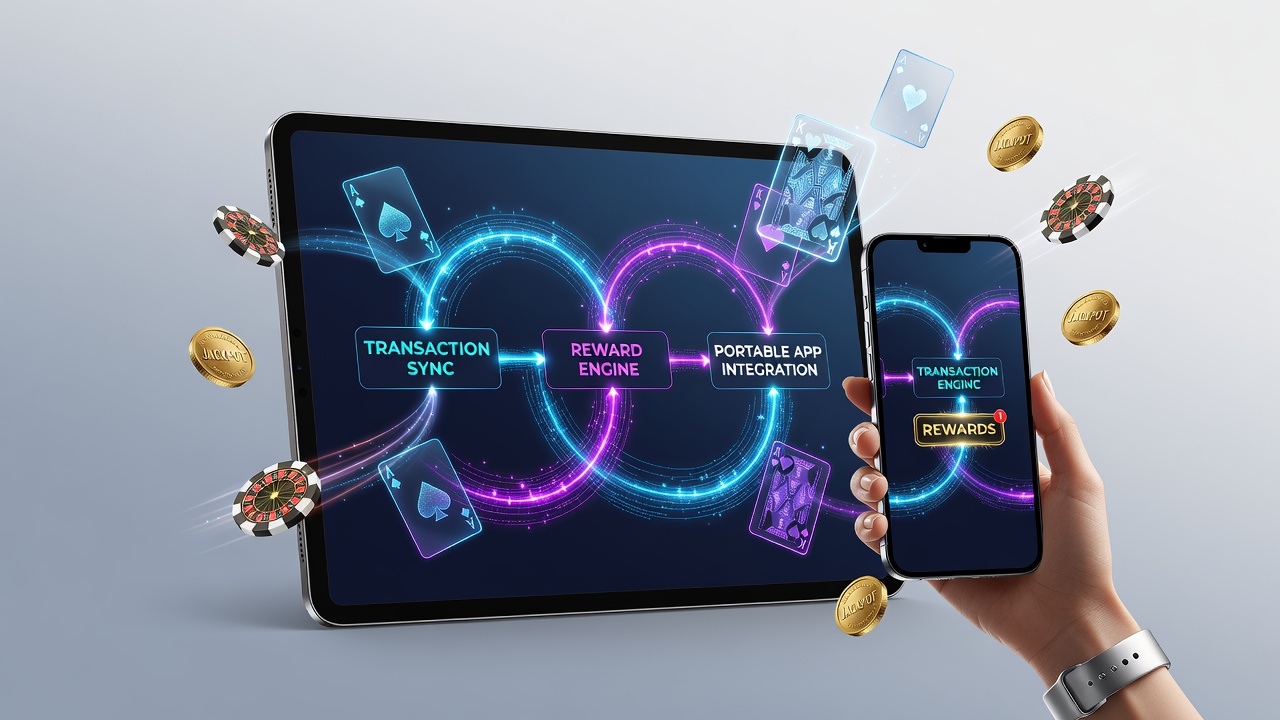
Portable casino applications rely on integrated transaction systems that handle deposits, withdrawals, and balance updates while simultaneously feeding data into reward mechanisms that grant points, bonuses, and tiered benefits, and this synchronization occurs through secure API connections that link payment gateways directly to loyalty databases so that every financial action triggers an immediate reward calculation without manual intervention.
Core Components of Transaction Systems in Mobile Gaming
Transaction systems in these applications process payments through multiple channels including credit cards, e-wallets, and bank transfers, and they maintain encrypted records that update user balances in real time while operators track each movement to comply with financial reporting standards across different jurisdictions. Data from the Nevada Gaming Control Board shows that mobile transaction volumes have grown steadily as applications adopt faster processing protocols that reduce latency between user action and system confirmation.
Reward mechanisms operate on predefined rules that convert transaction amounts into loyalty points or bonus credits, and these rules often adjust based on user activity levels or game types so that higher-value deposits unlock enhanced multipliers while smaller frequent transactions accumulate steady progress toward redemption thresholds.
Integration Methods and Data Flow
Synchronization begins when a transaction initiates, at which point the payment processor sends structured data packets to the reward engine that contain details such as amount, currency, user identifier, and timestamp, and the engine then applies algorithmic calculations to determine point awards before writing the results back to the central user profile database. This bidirectional flow relies on event-driven architecture that allows the system to respond instantly rather than relying on batch processing that might delay reward visibility for users.
Developers implement middleware layers that validate transaction authenticity before passing information onward, and these layers incorporate fraud detection checks that flag unusual patterns while still permitting legitimate rewards to post without interruption. Observers note that successful implementations often use microservices to separate transaction handling from reward logic, which reduces system load and improves scalability during peak usage periods.
Technical Challenges in Real-Time Synchronization
Latency remains a primary concern because delays between transaction completion and reward allocation can frustrate users who expect immediate feedback, and developers address this by optimizing database queries and employing in-memory caching that stores recent transaction data for quick access. Security protocols add another layer of complexity since reward systems must protect sensitive financial information while still granting access to loyalty features across multiple devices.

One study revealed that operators who adopted standardized data formats experienced fewer integration errors when connecting new payment providers to existing reward platforms, and this approach allows systems to accommodate regional payment preferences without requiring complete rewrites of the reward logic. Figures reveal that applications handling cross-border transactions face additional hurdles related to currency conversion rates that must align with reward valuation to maintain consistency for international users.
Regulatory Considerations and Upcoming Standards
Regulatory bodies in various regions require transparent reporting of how transactions influence reward distributions, and operators must demonstrate that synchronization processes prevent manipulation while ensuring rewards reflect actual player activity. Changes scheduled for implementation in September 2026 in several markets will introduce stricter audit requirements for real-time data exchanges between financial and loyalty modules, prompting developers to enhance logging capabilities that capture every step of the synchronization sequence.
Industry reports from the iGaming Ontario indicate that jurisdictions continue to refine rules around bonus eligibility tied to deposits, which directly affects how reward engines interpret incoming transaction data. Those who've studied these frameworks note that compliance often involves third-party verification tools that independently confirm reward calculations match the transaction records submitted to regulators.
Operational Examples and System Adaptations
Take one developer team that integrated blockchain elements into their synchronization layer to create immutable records of both transactions and reward grants, and this method provided additional transparency that satisfied oversight demands while allowing users to verify point allocations through a public ledger view. Another case showed how an operator adjusted reward multipliers dynamically based on real-time transaction velocity, which helped manage promotional budgets without disrupting the underlying payment flow.
People who've implemented these systems often discover that modular design permits quick updates when new payment methods emerge or when reward programs expand to include non-monetary incentives such as tournament entries. Research indicates that applications maintaining separate but linked databases for transactions and rewards achieve better performance under high load compared with monolithic structures that combine all functions in a single repository.
Conclusion
Synchronization between transaction systems and reward mechanisms in portable casino applications depends on precise data exchange protocols, secure validation steps, and adaptable architectures that accommodate regulatory shifts and technological advances. Operators continue to refine these connections as mobile usage expands, and the updates planned for September 2026 will further shape how these components interact across global markets. The process remains central to delivering consistent user experiences while meeting operational and compliance standards in an evolving digital environment.