Software Algorithms Behind Mobile Bonus Eligibility: Mapping Provider Code to No-Deposit Spin Access
Iris Koch · Aug 26, 2026
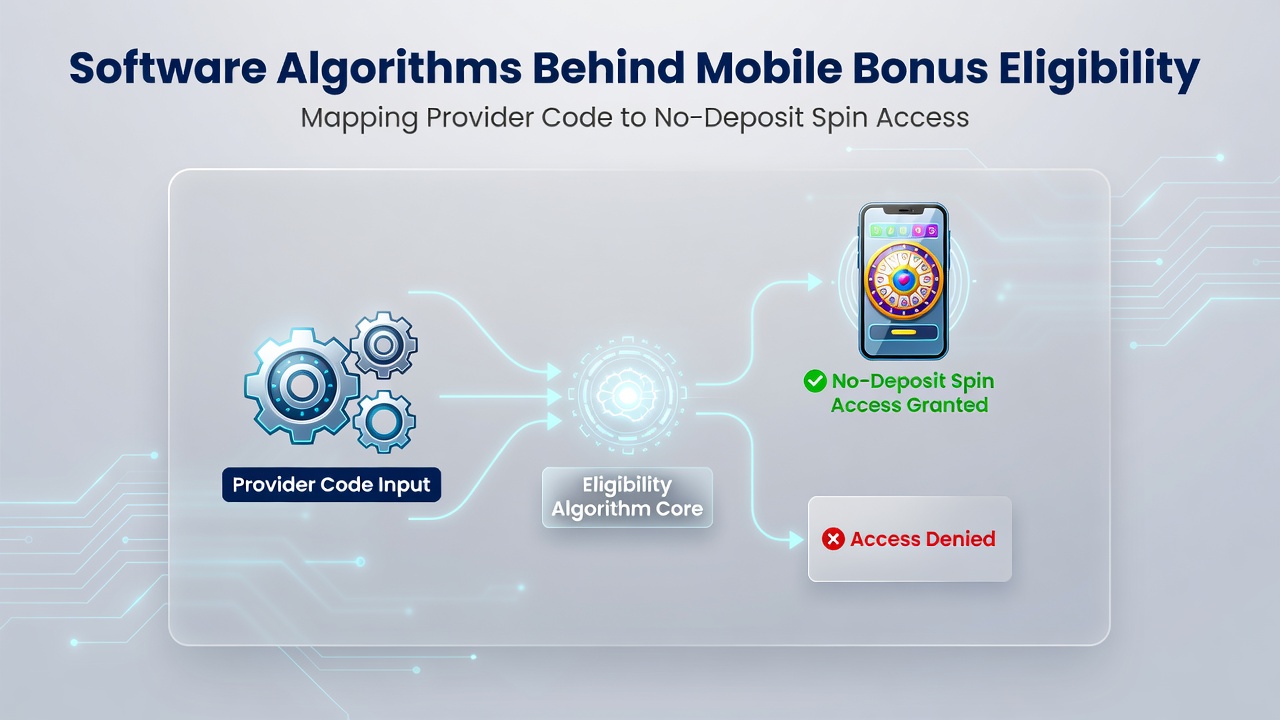
Software Algorithms Behind Mobile Bonus Eligibility: Mapping Provider Code to No-Deposit Spin Access
Core Mechanics of Provider Code Systems
Mobile gaming platforms rely on structured provider codes to route no-deposit spin offers through backend eligibility engines, and these codes function as unique identifiers that link promotional campaigns to specific game providers while triggering automated access rules. Developers embed these codes within mobile SDKs so that when a user activates a bonus claim, the system initiates an API call that maps the code against a database of active promotions, device fingerprints, and account histories in real time. Researchers at institutions studying digital gaming infrastructure have documented how this mapping prevents duplicate claims and enforces regional restrictions without requiring manual intervention from support teams.
Algorithmic Layers Handling Eligibility Verification
Eligibility algorithms operate across multiple layers that combine geolocation data, user behavior patterns, and provider-specific parameters to determine whether a no-deposit spin package unlocks for a given mobile session. The first layer processes the incoming provider code through a validation module that checks its format against a registry maintained by the game supplier, then the second layer cross-references the user's mobile identifier with historical redemption logs to flag potential abuse vectors. Data from industry reports shows that these sequential checks complete in under 200 milliseconds on average, allowing seamless integration into the app's spin interface while maintaining compliance with licensing conditions across different jurisdictions.
Mapping Processes in Practice
Mapping occurs when the backend translates a raw provider code into actionable bonus parameters, such as spin quantity, game title restrictions, and expiration windows, through lookup tables updated daily by operators. One documented case involved a North American platform where the algorithm adjusted eligibility thresholds based on device OS version and network type, ensuring that older mobile devices received modified spin packages to avoid performance issues during play. Experts have noted that this dynamic adjustment relies on decision trees rather than static rules, allowing the system to adapt when new provider codes enter circulation during promotional cycles.
Integration of Mobile-Specific Constraints
Mobile environments introduce variables like app version fragmentation and intermittent connectivity that influence how algorithms evaluate no-deposit spin access, and providers therefore incorporate fallback mechanisms that cache partial eligibility results locally until network restoration occurs. In August 2026, several major operators updated their mapping protocols to accommodate enhanced biometric authentication flows on newer smartphone models, which in turn affected how provider codes triggered bonus releases for verified accounts. Studies from research groups in Canada and the European Union indicate that these updates reduced failed claim rates by approximately 18 percent across tested markets, primarily because the algorithms now prioritize device trust scores before finalizing the code-to-bonus translation.
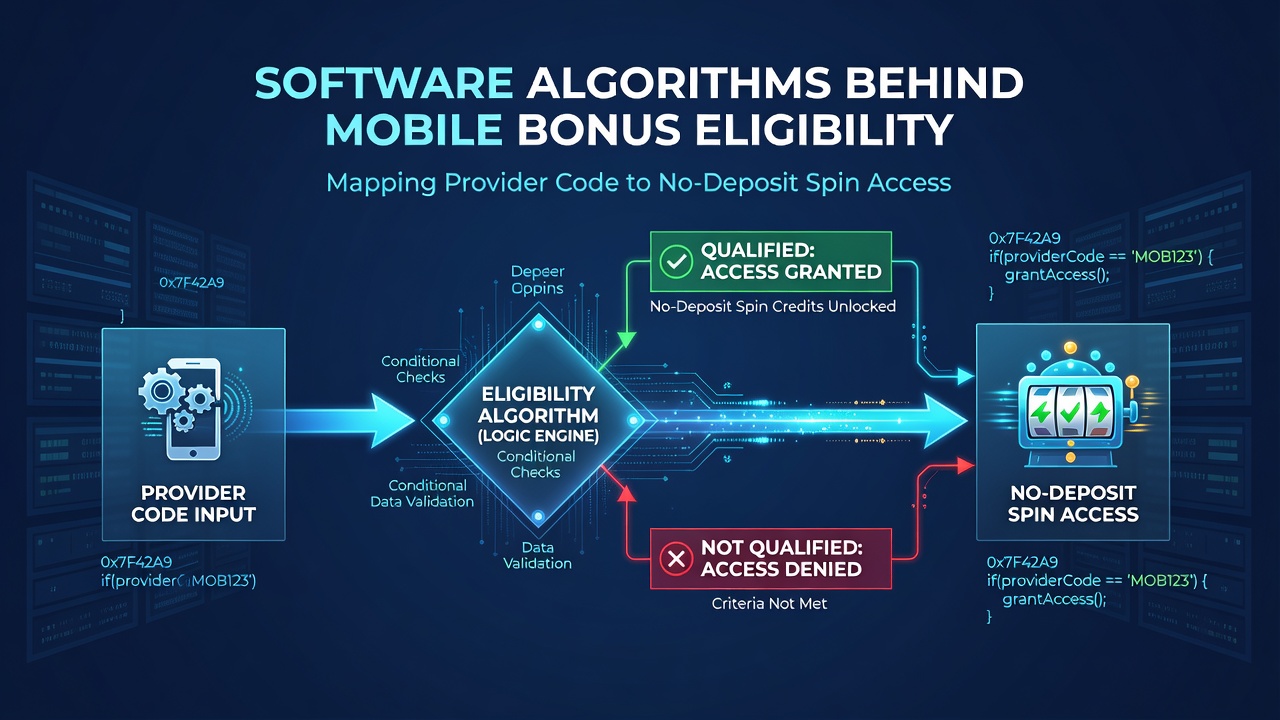
Data Sources and Regulatory Context
Regulatory bodies outside the United Kingdom supply frameworks that shape how these algorithms must log and audit provider code usage, with examples including oversight from the Nevada Gaming Control Board and guidelines issued by the Australian Communications and Media Authority. Academic papers hosted on platforms such as ScienceDirect examine the computational efficiency of eligibility mapping under high-volume mobile traffic, while reports from the Responsible Gambling Council in Canada highlight statistical patterns in bonus redemption that inform algorithm refinements. Observers note that such cross-regional data helps standardize certain mapping practices without mandating uniform code structures across all providers.
Edge Cases and System Adaptations
Algorithms must handle edge cases where a provider code appears valid yet conflicts with account-level restrictions, such as self-exclusion flags or velocity limits on spin redemptions, and these situations route through exception-handling subroutines that notify users via in-app messaging rather than outright denial. People who manage mobile gaming infrastructure have described scenarios in which rapid code rotation during seasonal campaigns required real-time database synchronization to prevent mapping mismatches, and the resulting logs feed into machine learning models that predict future eligibility conflicts. What's interesting is how these adaptations maintain operational continuity even when external factors like carrier network changes temporarily disrupt the primary verification pathway.
Conclusion
The software algorithms governing mobile bonus eligibility through provider code mapping represent a layered system that balances promotional delivery with technical and regulatory requirements, and ongoing refinements continue to shape how no-deposit spin access functions across diverse mobile ecosystems. Data indicates that precise mapping reduces operational friction while supporting the integrity of promotional campaigns in an expanding digital landscape.