Decoding Interplay Between Loyalty Tiers and Redemption Windows Across Digital Wagering Ecosystems
Rafael Schmidt · Sep 6, 2026
Decoding Interplay Between Loyalty Tiers and Redemption Windows Across Digital Wagering Ecosystems
Digital wagering platforms structure loyalty programs around tiered membership levels that grant escalating rewards based on player activity, and these systems tie directly into redemption windows that limit when accumulated points or credits can convert into usable bonuses or cash equivalents. Observers note that operators calibrate tier thresholds and time restrictions together to manage player retention while aligning with operational costs across mobile and desktop environments.
Tier Structures and Their Core Mechanics
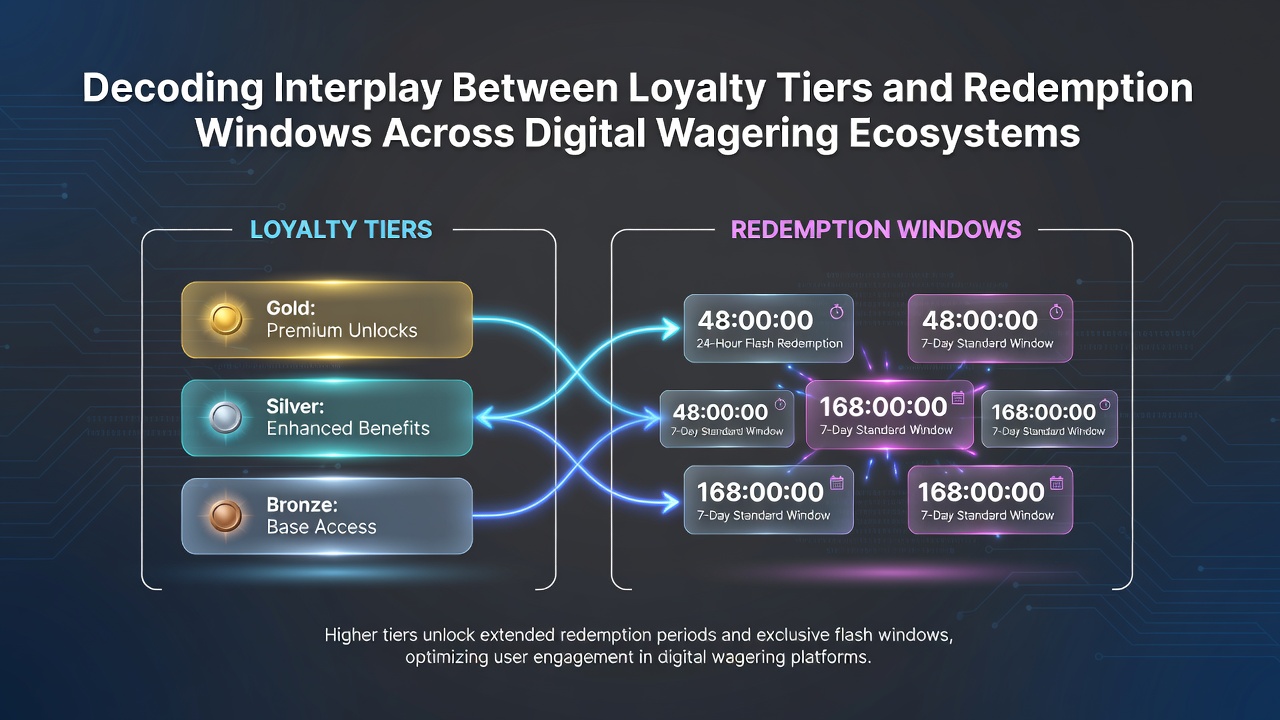
Most wagering ecosystems organize participants into progressive categories such as entry-level, mid-tier, and premium segments, where each step requires cumulative betting volume or deposit frequency to unlock, and higher placements deliver accelerated point earning rates along with priority access to certain promotions. Data from industry reports indicate that these ladders often reset on annual cycles, which forces players to maintain consistent engagement or risk dropping levels, while redemption rules remain attached to the current tier at the moment of conversion.
Redemption windows function as fixed intervals during which points must convert before expiration, and platforms adjust these durations according to tier status so that premium members receive extended periods compared with entry-level users. Researchers have documented cases where lower tiers face 30-day limits on standard rewards, whereas elevated tiers extend those periods to 90 days or more, creating an incentive structure that rewards sustained participation without altering the underlying point valuation formulas.
Regional Variations in Window Policies
Operators in different jurisdictions apply distinct approaches to these mechanics, and figures from the Australian Communications and Media Authority reveal that platforms licensed in that market frequently synchronize redemption deadlines with local responsible gaming requirements, resulting in standardized notice periods before points lapse. In contrast, systems operating under frameworks like those monitored by the Malta Gaming Authority tend to embed flexible rollover options that allow premium-tier members to extend windows through additional qualifying activity.
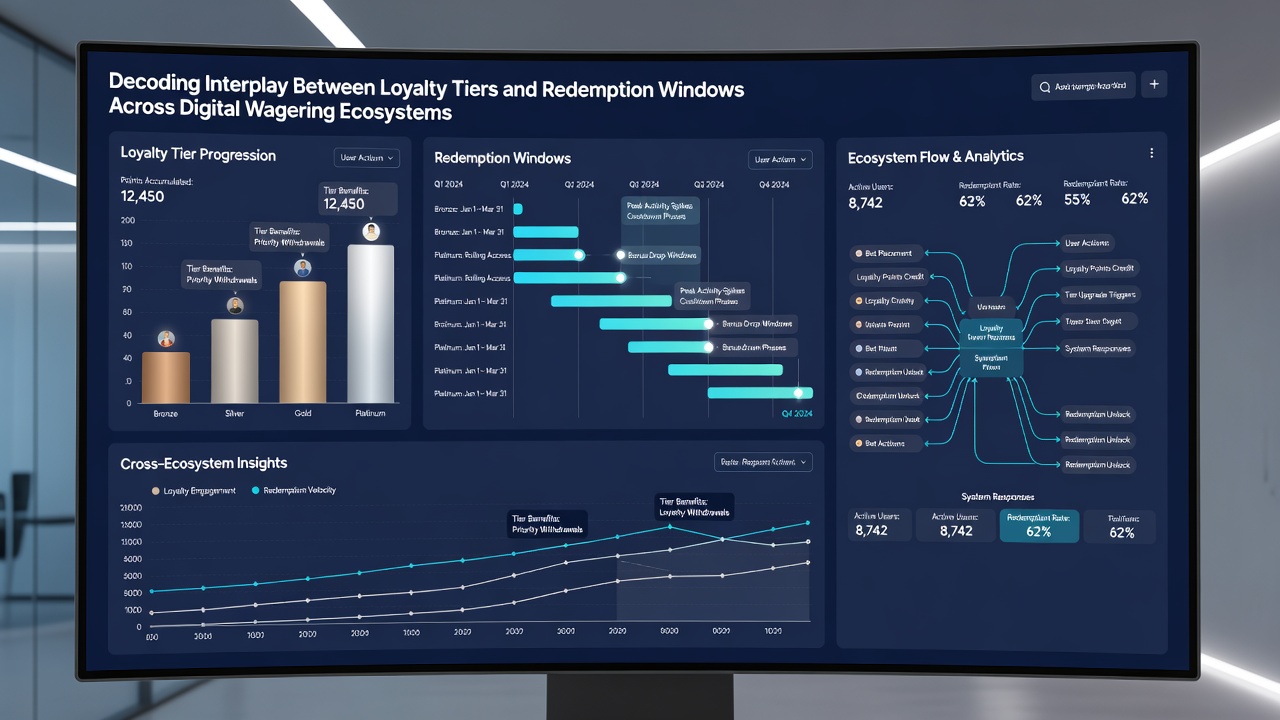
North American operators regulated by bodies such as the New Jersey Division of Gaming Enforcement have introduced tier-specific calendars that align with seasonal events, so that redemption windows for sports betting rewards lengthen during major league seasons for higher-tier accounts. This approach connects loyalty progression with event-driven activity spikes, and studies from academic sources on gambling behavior show measurable differences in redemption completion rates between tier groups under these timed conditions.
Technical Integration Across Platforms
Software backends track tier status in real time and apply redemption logic automatically, which means a player who advances mid-window receives immediate access to the longer timeframe without manual intervention. Developers implement these rules through modular code that separates earning multipliers from expiration timers, allowing operators to test variations across user segments while maintaining consistent front-end displays. What's interesting is how mobile applications push notifications at set intervals before windows close, and these alerts scale in frequency based on the account's tier to reduce unintended expirations among higher-value participants.
Cross-platform ecosystems that span casino games, sportsbooks, and poker rooms further complicate the interplay because points earned in one vertical sometimes carry different redemption windows when transferred to another. Reports compiled by the European Gaming and Betting Association document that unified loyalty ledgers require careful mapping of tier benefits to prevent mismatches, particularly when a redemption request spans multiple product categories with separate time constraints.
Impact on Player Behavior Patterns
Analysis of transaction logs demonstrates that extended redemption windows at higher tiers correlate with increased overall platform activity, yet the same data sets indicate that lower-tier users often accelerate play near the end of shorter windows to avoid losing accumulated value. This dynamic appears in aggregated statistics released around September 2026 by research groups tracking global iGaming trends, where seasonal upticks in engagement aligned with tier review periods across multiple operators. Operators respond by adjusting communication cadences and offering tier-upgrade bonuses that include temporary window extensions, thereby smoothing transitions between levels without changing base point economics.
Conclusion
The relationship between loyalty tiers and redemption windows continues to evolve as platforms refine algorithms that balance retention goals with regulatory expectations across jurisdictions. Data from diverse regulatory and industry sources illustrate consistent patterns where tier advancement directly influences time flexibility, and these mechanics shape how participants interact with digital wagering environments over extended periods. Future adjustments will likely build on existing frameworks to maintain clarity while accommodating new product formats and cross-border player bases.